Optimal Timing for Concrete Foundation Installations
Concrete foundation installations are essential for the stability and durability of structures. The timing of installation plays a critical role in ensuring the longevity and performance of the foundation. Proper scheduling considers weather conditions, soil moisture levels, and temperature, which directly influence curing and setting times.
Spring and early fall are generally preferred due to moderate temperatures and lower precipitation, which support proper curing.
Concrete sets best when temperatures are between 50°F and 85°F. Extreme cold or heat can affect curing times and strength development.
Rain, snow, or freezing conditions can delay installation or compromise the quality of the foundation. Dry, stable weather is ideal.
Moist soil provides better adhesion and reduces the risk of cracking. Dry or overly wet soils require additional preparation.
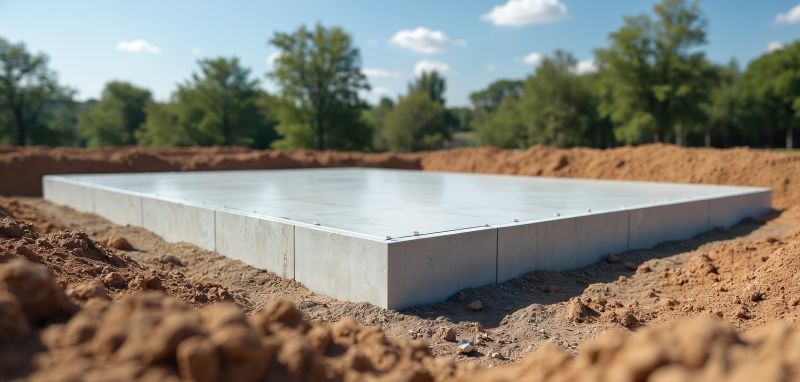
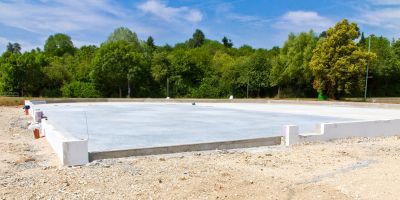
Concrete being poured during favorable spring weather.
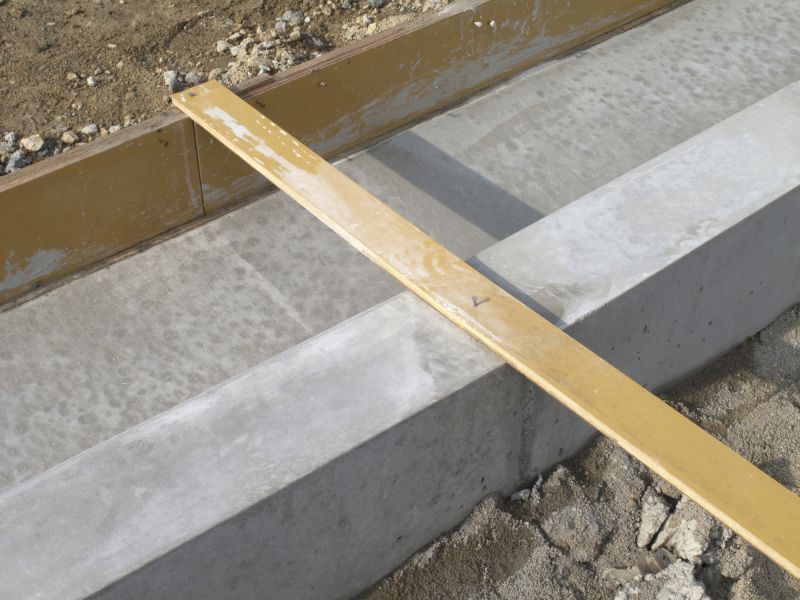
Close-up of curing concrete in optimal temperature conditions.
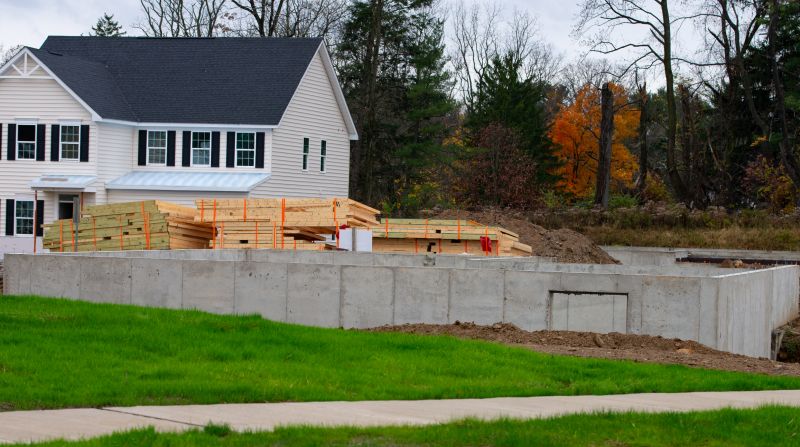
Foundation installation taking place in early fall weather.
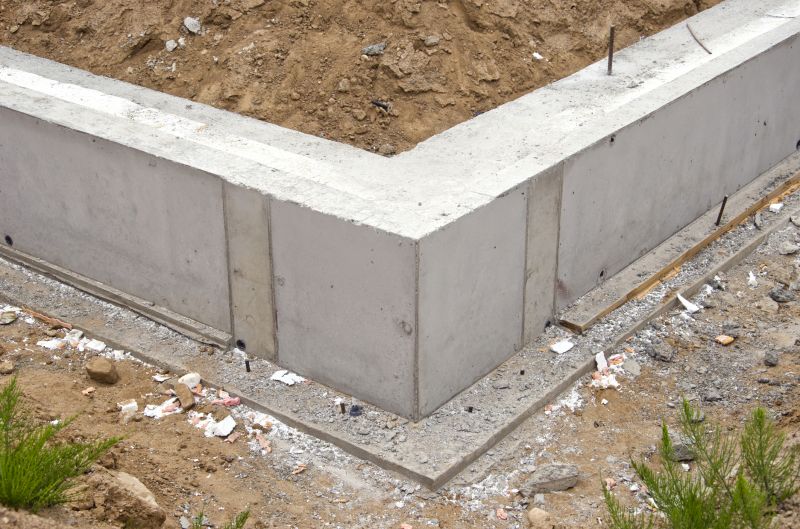
Prepared soil ready for foundation pouring.
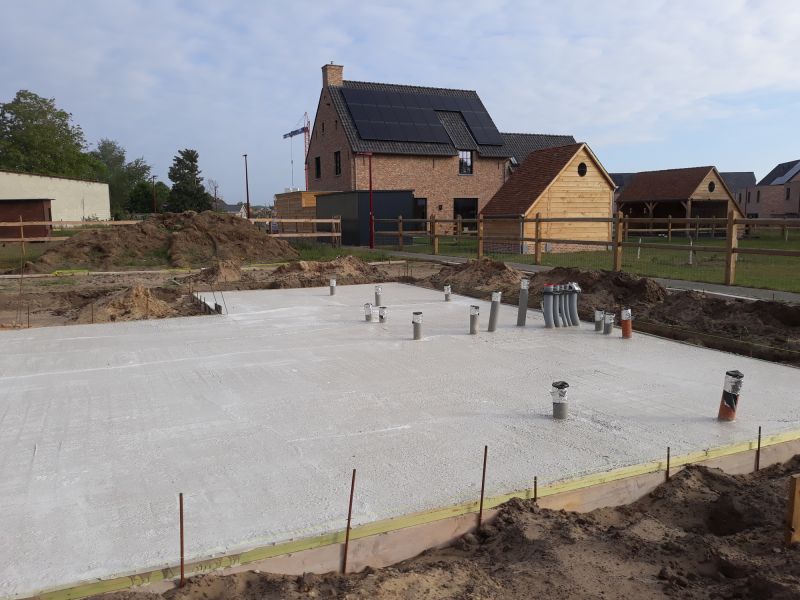
Ways to make Concrete Foundation Installations work in tight or awkward layouts.
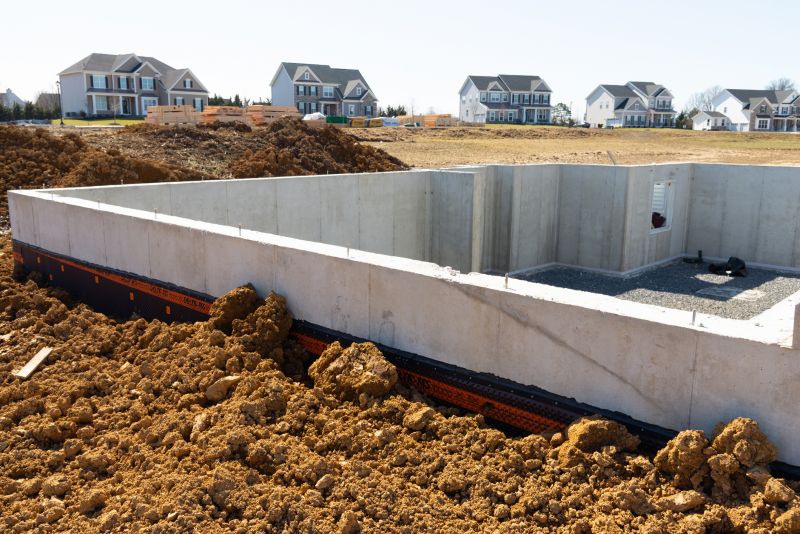
Popular materials for Concrete Foundation Installations and why they hold up over time.
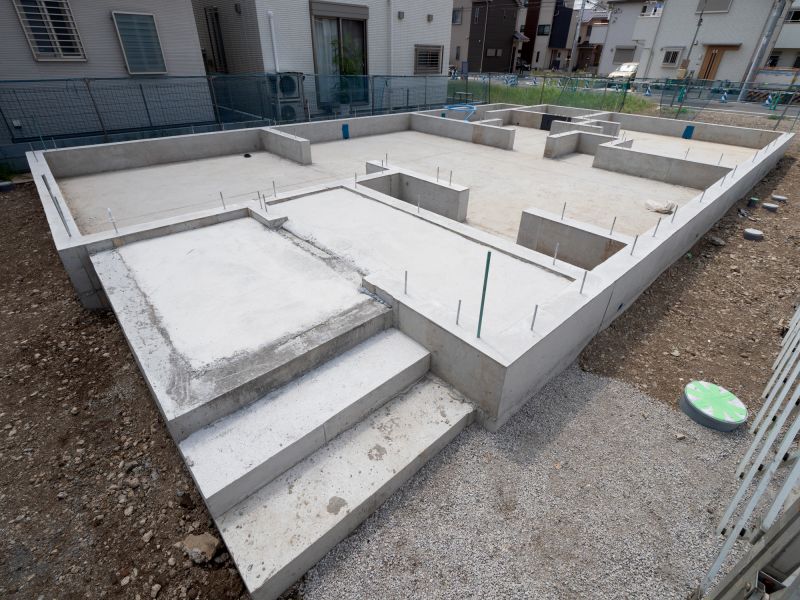
Simple add-ons that improve Concrete Foundation Installations without blowing the budget.
High-end options that actually feel worth it for Concrete Foundation Installations.
| Season or Condition | Recommended Timing |
|---|---|
| Spring | Ideal for moderate temperatures and lower precipitation. |
| Summer | Possible with early morning or late evening pours to avoid heat. |
| Fall | Suitable due to cooler temperatures and stable weather. |
| Winter | Generally not recommended unless conditions are controlled. |
| Rainy or freezing conditions | Delays are likely; avoid scheduling during these periods. |
Concrete foundation installation requires careful planning to match environmental conditions. Proper timing ensures optimal curing, reduces the risk of cracks, and enhances the structural integrity of the finished foundation. Weather patterns and soil conditions should be closely monitored to determine the most suitable window for installation.
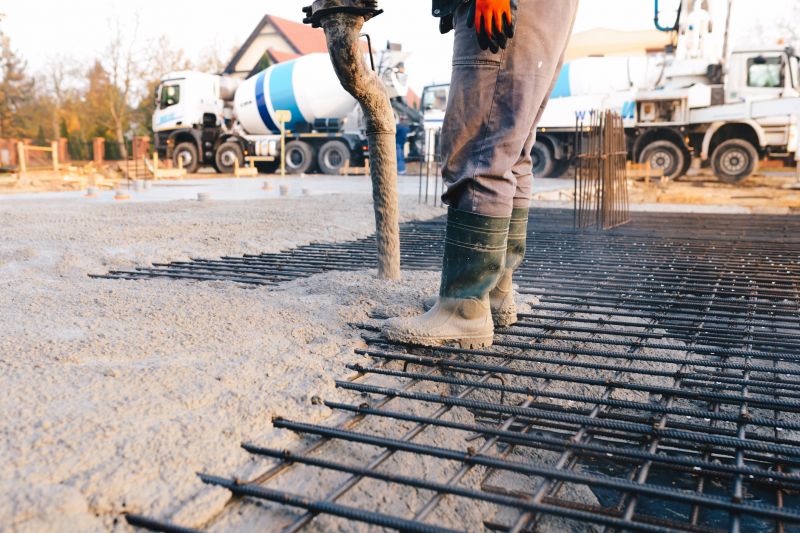
Concrete being poured under ideal weather conditions.
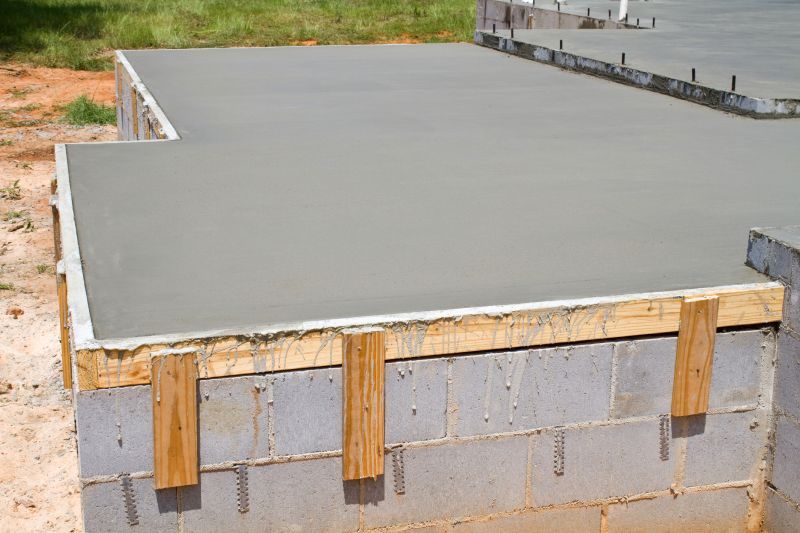
Concrete curing in optimal temperature conditions.

Heavy machinery during foundation installation.
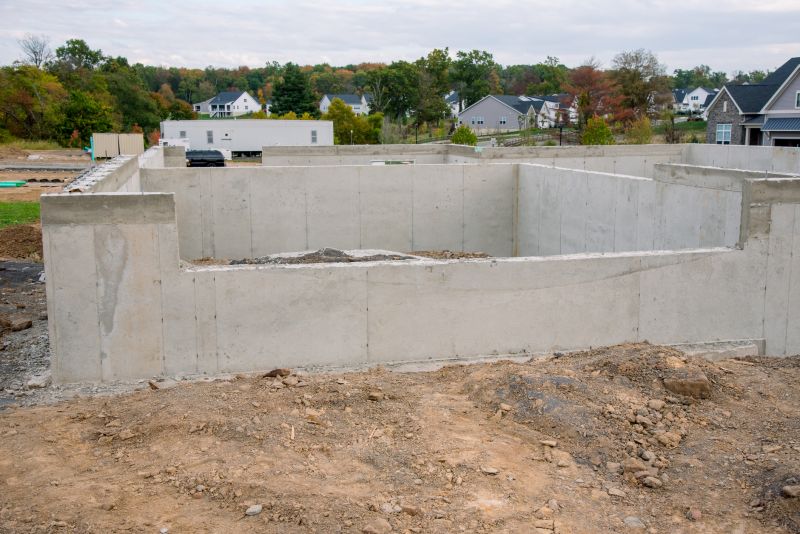
Finished foundation ready for further construction.
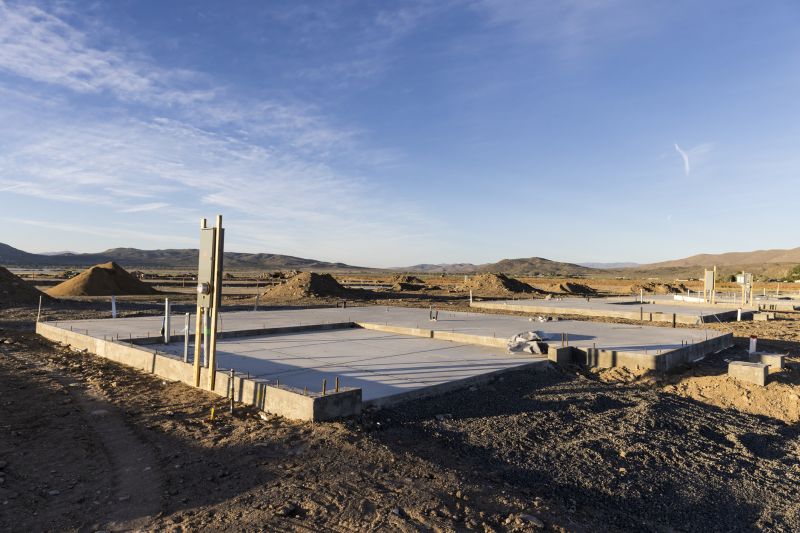
Finishes and colors that play nicely with Concrete Foundation Installations.
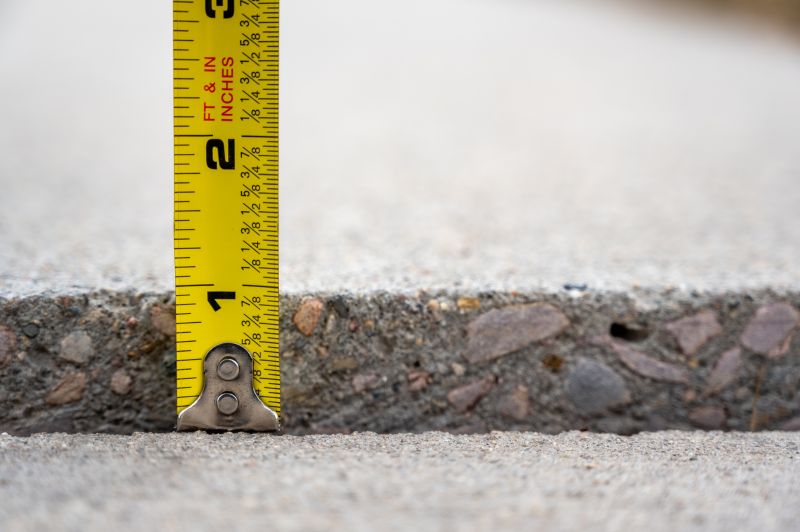
Little measurements that prevent headaches on Concrete Foundation Installations day.

A 60-second routine that keeps Concrete Foundation Installations looking new.
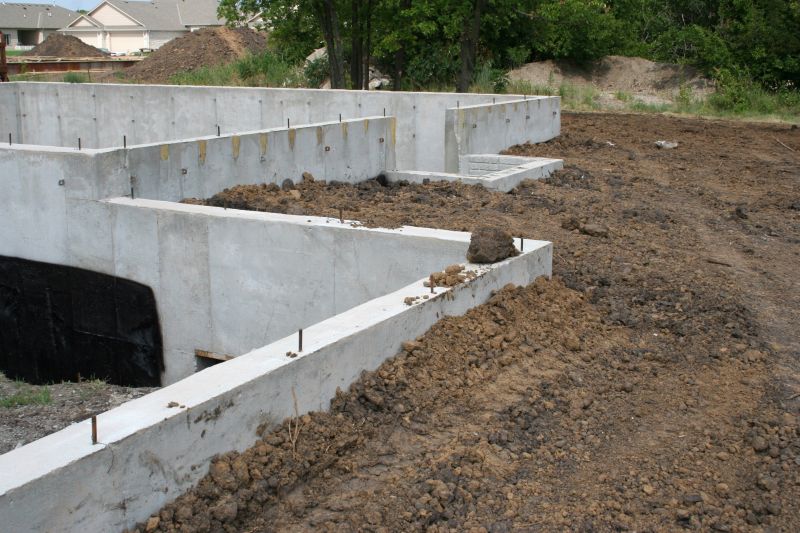
A frequent mistake in Concrete Foundation Installations and how to dodge it.
Choosing the right time for concrete foundation installation can significantly impact the durability and safety of the structure. Accurate weather forecasting and soil analysis are essential components of effective planning. Properly timed installations contribute to long-lasting foundations that meet structural requirements.
Interested in scheduling a concrete foundation installation? Fill out the contact form to connect with specialists.